
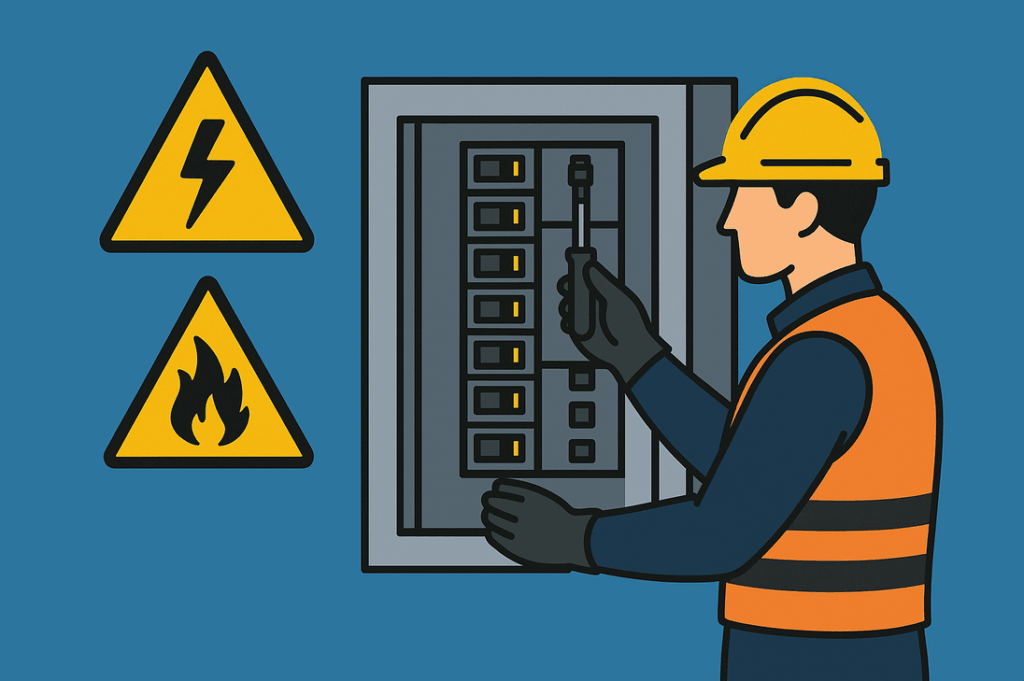
Why Electrical Panels Need Regular Maintenance
Why Electrical Panels Need Regular Maintenance (And Warning Signs You Shouldn’t Ignore)
Your home’s electrical panel is the central hub of your entire electrical system — directing power safely and efficiently to every outlet, appliance, switch, and circuit. Although homeowners rarely see or think about the panel, it works nonstop behind the scenes. When it’s neglected, overloaded, or outdated, it becomes one of the most common sources of electrical fires, breaker failures, and expensive emergency repairs.
Regular electrical panel maintenance is one of the most important things you can do to protect your home. In this guide, we cover why panels need attention, the warning signs that something’s wrong, and when to call a licensed electrician for a professional inspection.
What Your Electrical Panel Actually Does
The electrical panel — often called the breaker box, load center, or fuse box — is the command center of your home’s power distribution. Every wire in your home traces back to this panel. Its primary job is to deliver electricity safely, and to shut off a circuit automatically if something goes wrong.
Your panel protects your home from:
- Short circuits that can cause sparks or electrical arcs
- Overloads caused by too many devices drawing power
- Overheating circuits that can lead to fires
- Faulty wiring further down the line
Because it handles so much energy daily, the panel experiences normal wear and tear over time. Keeping it maintained ensures all circuits remain safe and efficient.
Why Regular Electrical Panel Maintenance Matters
1. It Prevents Fire Hazards
Loose connections, overloaded circuits, corroded wires, and aging breakers are some of the most common fire risks inside homes. A panel that hasn’t been inspected in years may have unnoticed hot spots or failing components. Regular maintenance catches these issues before they become dangerous.
2. It Ensures Consistent, Reliable Power
If your home experiences flickering lights, buzzing outlets, or frequent breaker trips, the electrical panel may be struggling to keep up. Maintenance keeps the system stable and prevents interruptions — especially in homes with high-demand appliances.
3. It Extends the Life of Your Electrical System
A well-maintained panel reduces stress on wiring and circuits throughout the home. This prevents premature component failure and saves homeowners from expensive repairs.
4. It Helps Identify Outdated Panels
Many older homes still use panels that are long past their safe lifespan. Panels from certain brands (such as Federal Pacific or Zinsco) are known to fail dangerously and should be replaced immediately. Regular inspections reveal whether your panel is outdated or unsafe.
Warning Signs Your Electrical Panel Needs Attention
If you notice any of the following warning signs, schedule an inspection as soon as possible:
- Breakers tripping frequently
- Burning smells near the panel
- Warm or hot breakers
- Buzzing or humming noises
- Flickering lights throughout the home
- Rust or corrosion inside the panel
- Scorch marks or discoloration on the cover
- Outlets losing power randomly
- Old fuse-based panels still in use
These symptoms indicate the panel is working harder than it should — or worse, that it’s failing internally.
When You Should Upgrade Your Electrical Panel
You should consider a panel upgrade if your home has:
- A 60-amp or 100-amp panel (too small for modern homes)
- Aluminum branch wiring
- An EV charger, hot tub, or high-wattage appliances
- Major renovations or room additions planned
- Frequent tripped breakers or overloaded circuits
Upgrading to a modern 200-amp panel ensures your home has enough power for today’s devices and helps future-proof your electrical system.
Professional Panel Maintenance Checklist
A licensed electrician performs several safety steps during an inspection:
- Tightening loose breaker connections
- Checking for heat damage, corrosion, or water intrusion
- Testing breakers for proper operation
- Inspecting grounding and bonding
- Confirming wire sizes match circuit requirements
- Identifying outdated or unsafe panel brands
- Ensuring no circuits are overloaded
This type of maintenance can dramatically reduce electrical hazards in the home.
Final Thoughts
Your electrical panel may not be visible or glamorous, but it’s one of the most important safety components in your home. Regular inspections help prevent fires, keep your electrical system running smoothly, and ensure your panel can handle modern power demands. When in doubt, always call a licensed electrician — a small inspection today can prevent major damage tomorrow.

LEAVE A COMMENT