
- By GOTWEBSITE1
- In Electrical Safety Tips, Home Electrical Troubleshooting, Professional Electrician Advice & Industry News, Uncategorized
Top 7 Electrical Safety Tips Every Homeowner Should Know
Top 7 Electrical Safety Tips Every Homeowner Should Know
Electricity is something most homeowners never think about—until something goes wrong. But staying safe doesn’t require being an expert electrician. With a little awareness and the right steps, you can prevent shocks, fires, outages, and thousands of dollars in damage. These are the seven most important electrical safety tips every homeowner in Morgan Hill, Gilroy, San Martin, and South San Jose should follow.
1. Never Ignore Tripping Breakers
If a breaker trips once, it may just be an overloaded circuit. But if it trips repeatedly, that’s a warning sign of a deeper issue—failed wiring, loose connections, or an overheating appliance. Don’t keep flipping it back on without investigating. Consistently tripping breakers are one of the most common precursors to electrical fires.
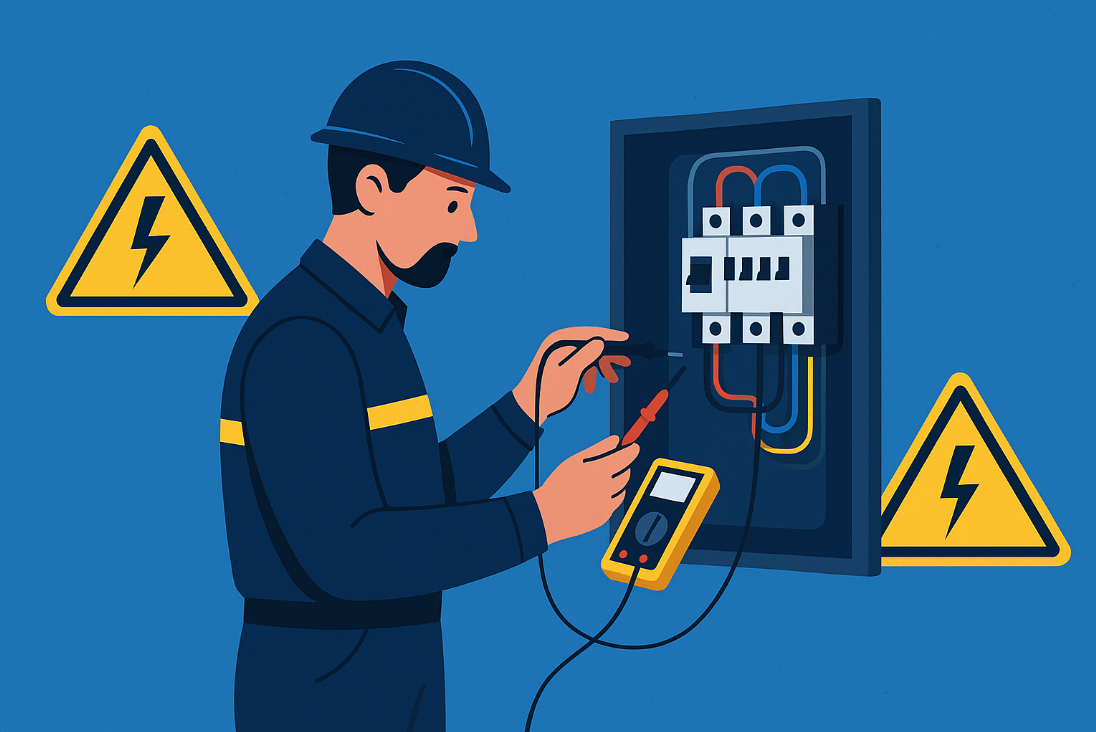
If you’re unsure what’s causing the breaker to trip, a licensed electrician can test the circuit, measure the loads, and identify the exact cause before it becomes dangerous.
2. Stop Using Warm or Buzzing Outlets
Outlets, switches, and wall plates should never feel warm, vibrate, or buzz. These symptoms indicate resistance or arcing, which is what happens when electricity jumps between loose or damaged connections. Arcing is a serious fire hazard and often occurs behind the wall long before visible smoke or flames appear.
If you touch an outlet and it feels warm—or if you hear buzzing when plugging something in—stop using it immediately and call a licensed electrician to inspect the circuit.
3. Replace Worn Extension Cords Immediately
Homeowners often rely on extension cords for holiday decorations, shop tools, and extra appliances. But cracked, kinked, or frayed extension cords are the number one source of avoidable electrical accidents. They’re not meant to be permanent wiring and can easily short out or overload the circuit they’re plugged into.
If your home requires frequent extension cords, it’s time to install additional outlets or dedicated circuits so you have the power where you actually need it.
4. Never Overload Outlets or Power Strips
Many modern homes have far more electronics than their electrical systems were designed to handle. Plugging too many devices into a single outlet or power strip—space heaters, air fryers, hair dryers, microwaves, chargers—creates heat buildup and circuit overloads.
A good rule: major appliances and high-wattage devices should always have their own dedicated outlet. A licensed electrician can also upgrade your home’s circuits to match today’s electrical demands.
5. Test Your GFCI Outlets Every 30 Days
Ground Fault Circuit Interrupter outlets (GFCIs) protect you from electrical shock—especially in bathrooms, kitchens, garages, and outdoor areas. These outlets are required by electrical code, but many homeowners don’t realize they need regular testing.
Press the “TEST” button once a month. The outlet should immediately shut off. Then press “RESET” to restore power. If the outlet doesn’t trip or doesn’t reset, it has failed and needs replacement. A non-working GFCI defeats the entire purpose of having one, and it should be repaired right away.
6. Keep Electrical Panels Accessible and Up to Date
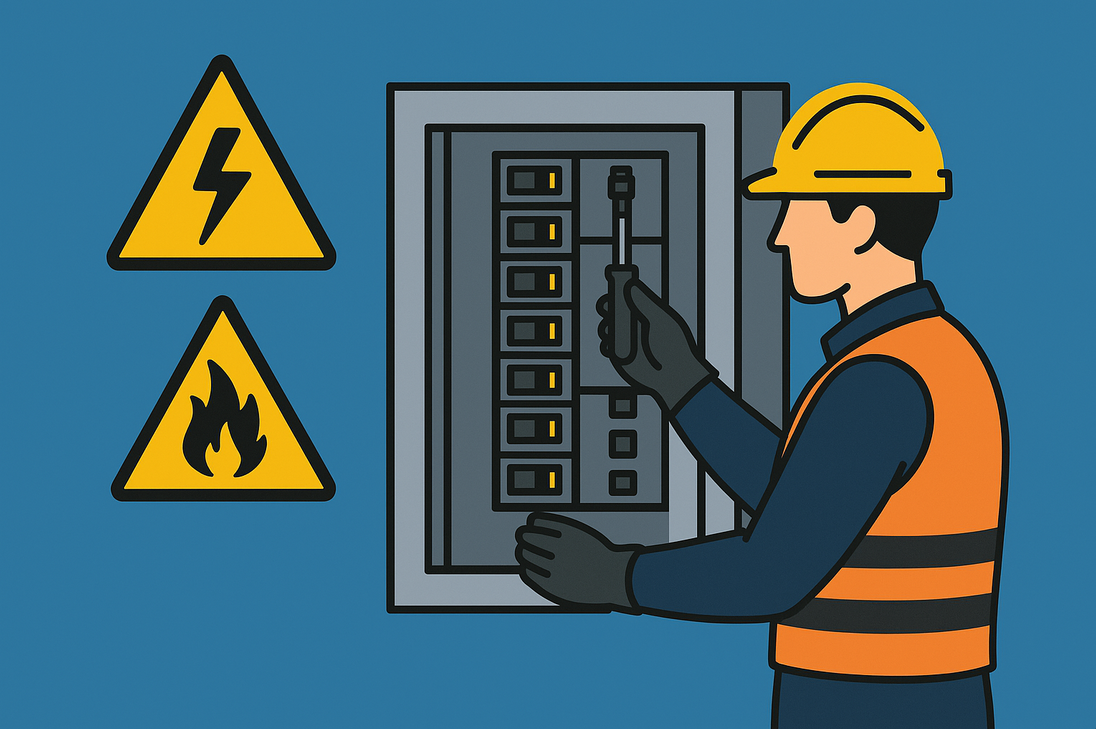
Electrical panels should NEVER be blocked by storage, shelving, or boxes. In an emergency—especially a fire—you need to reach your breakers quickly. Panels also need proper ventilation to prevent overheating.
Older panels (60- or 100-amp systems) are typically insufficient for today’s loads. If your panel is outdated, overloaded, rusted, or using recalled brands such as Zinsco or Federal Pacific, it’s time for a panel upgrade. A modern 200-amp panel increases safety, reliability, and resale value, especially in homes around Morgan Hill and Gilroy built before the early 2000s.
7. Schedule a Professional Electrical Safety Inspection
Even with perfect maintenance, electrical components wear down over time—especially in older homes. Connections loosen, insulation breaks down, and circuits become overloaded without the homeowner noticing.
A licensed electrician can perform a full inspection, test each circuit, check for overheating, verify grounding, and ensure all outlets, switches, breakers, and safety devices meet current California electrical code. This is especially important before renovations, adding new appliances, installing an EV charger, or purchasing an older home.
Why Electrical Safety Matters More Than Ever
With more devices, more smart-home equipment, and higher electrical demand, today’s homes need more protection than ever. Most electrical emergencies are preventable as long as the warning signs are caught early.
If you live in Morgan Hill, Gilroy, San Martin, or South San Jose and want peace of mind about your home’s electrical system, schedule a professional safety inspection and let a licensed expert ensure everything is up to code.
Need a Local Licensed Electrician You Can Trust?
Dan Matthews Electric provides safe, code-compliant electrical services including panel upgrades, troubleshooting, GFCI replacement, EV charger installation, dedicated circuits, lighting upgrades, and whole-home inspections.
Call today to schedule service and keep your home safe, efficient, and protected.

LEAVE A COMMENT